▣   FREE CONTINENTAL U.S. SHIPPING

Made in North Carolina

Square Quilting Rulers

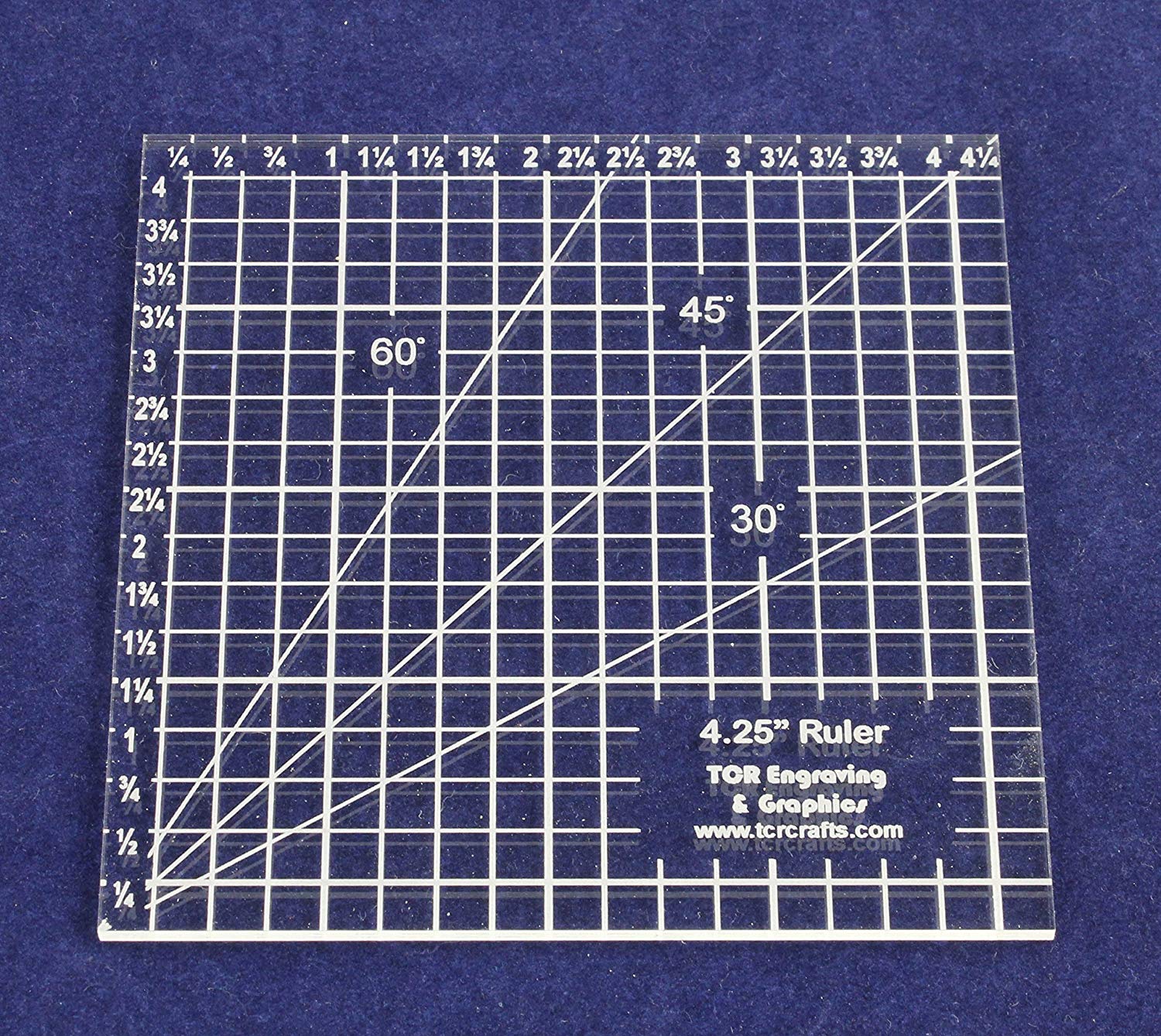
Choose a clear, dependable square for the measurements and trims that set a quilt block up to come together cleanly. TCR Crafts makes American-made acrylic square rulers for quilters who want a steadier reference at the cutting mat.

Clear acrylic square quilting ruler

A clear checkpoint for every block

Square up the work before a small mismatch becomes a bigger problem.

A square quilting ruler is useful because it lets you read two directions at once. Instead of judging one edge and hoping the next one follows, you can line up horizontal and vertical markings with the fabric, seam, or block unit in front of you. That simple check helps you see whether a corner is true before the rotary cutter moves.

For quilt blocks, that moment matters. A unit that is just a little off can make points miss, borders wave, or seams feel harder to match than they should. A clear acrylic square ruler gives you a visible reference over the fabric, so you can center a motif, follow the measurement in the pattern, and trim only when the guide lines agree. The work stays more deliberate, and the next step is easier to trust.

Choose the square for the job

Three details to check before you add a ruler to the cutting table.

Match the measurement

Choose a ruler that can show the full unfinished size your pattern asks you to cut or trim. A ruler that is too small can make you reposition halfway through a cut, while a useful size gives you one clear view of the whole unit.

Read the guide lines

Align the same markings with the fabric at more than one point before cutting. When the lines agree at the top, bottom, and sides of a block, you have a stronger reference for a clean trim.

Confirm the intended use

Product details matter. Check the listed thickness, measurements, and use notes before choosing a tool for rotary cutting, tracing, or a specialized quilting method.

Trim with a plan

Start from the feature you want to keep, then let the ruler show the rest.

When you trim a pieced block, first decide what needs to stay centered. It may be a seam intersection, the tip of a star, a diagonal, or a favorite part of a print. Set the square ruler over that feature and use its markings to check the distance to each side. Moving the ruler a fraction before cutting is far easier than trying to recover a point after the fabric is gone.

For a block that needs an even trim, line up the ruler with the measurement in the pattern and make sure its horizontal and vertical marks agree with the block itself. Trim two sides, turn the block, and then line up the newly cut edges with the ruler before trimming the remaining sides. This approach gives the next cut a reliable starting edge instead of asking you to measure from a wobbly one.

Square rulers are also useful before you begin a larger run of cutting. Place the ruler on your first fabric piece, check the size at more than one point, and use that sample to confirm your setup. If a strip was cut at a slight angle or a fabric edge was not quite straight, the square ruler can reveal it early, when the fix is still small.

Clear acrylic makes these checks easier to see. You can look through the ruler at seams, directional prints, and the cutting-mat grid without losing sight of the fabric beneath it. The ruler is not there to rush the process. It is there to make the next careful decision visible.

Clear acrylic square rulers

Shop square quilting rulers.

Compare all quilting rulers

A calm first cut is worth protecting

Use the ruler to make the first piece a dependable reference.

Press the fabric before you measure, and clear away folds or loose threads that could lift the ruler from the mat. If the pattern begins with a square, make the first one carefully and compare it with the written measurement before cutting the full set. That first piece gives you something real to check against as the project grows.

A smaller square ruler can feel easier to control when you are checking compact units, while a larger square can be helpful for blocks that need more room around their center. Choose the size that shows what you need to see without asking you to balance the ruler over the edge of the fabric. The best option is the one that makes the intended cut readable in one position.

When a pattern includes seam allowance, take a moment to confirm whether its measurement refers to the finished block or the fabric before sewing. A square ruler can help you hold that distinction in view, but it cannot decide the pattern's construction method for you. Keep the instructions nearby, make a sample when the fabric is precious, and let that small test settle the measurement before you repeat it.

It also helps to keep the ruler and the fabric still while you check a block. Rest the ruler flat rather than placing it over a bulky seam, and use a little steady pressure with your non-cutting hand. If the seam allowance underneath makes the ruler rock, move the block or use the pattern's pressing direction to create a flatter reference. The goal is not to force every seam into one position. It is to give the ruler a stable view of the measurement before you decide where to trim.

For rotary cutting, use a suitable mat, keep your holding hand safely away from the cutting edge, and make controlled passes rather than stretching across a long cut. Only use a ruler as a rotary-cutting guide when the product details support it. If the project calls for tracing a shape instead, use the ruler to make an accurate mark and follow the method the pattern specifies.

Once the square is correct, the rest of the quilt has a stronger starting point. Strips meet more cleanly, blocks are easier to arrange, and the details you chose in the fabric have more room to shine. For straight edges, angles, curves, and specialty shapes, explore the broader quilting ruler collection or the complete acrylic quilting template range.

Frequently asked questions

What is a square quilting ruler used for?

A square quilting ruler gives you matching horizontal and vertical reference lines for measuring, trimming, and checking quilt pieces. It can be useful for squares, block units, borders, and any cut where you need to see that two edges meet at a true corner.

What size square ruler should I choose?

Start with the unfinished measurement your pattern asks for, then choose a ruler large enough to show the whole area you need to check or trim. A compact ruler can be comfortable for smaller units, while a larger one can make it easier to square a block without moving the ruler mid-cut.

Can I use a square quilting ruler with a rotary cutter?

Use a rotary cutter only when the product description supports that method. Keep the ruler flat on a suitable cutting mat, hold it well away from the cutting edge, and make a test cut on scrap fabric before cutting pieces for your project.

What is the difference between a square ruler and a square template?

A square ruler is generally used for measured straight cuts and checking block units. A square template repeats a specific shape and may include seam allowance or guide holes. The product description and your pattern should decide which tool belongs in your project.

Choose a square ruler that makes the next cut easier to trust.

Browse clear acrylic rulers made for careful measuring, useful trimming, and quilt pieces that are ready to come together.

Shop square rulers